Wholesale Buying Guide
Buying Duplicate Pokémon Cards: Restock or Overstock?
Test the next sale before buying the next batch. Use actual sales and customer feedback to make each restock better—not merely bigger.
September 15, 2026 · 9 min read
Introduction
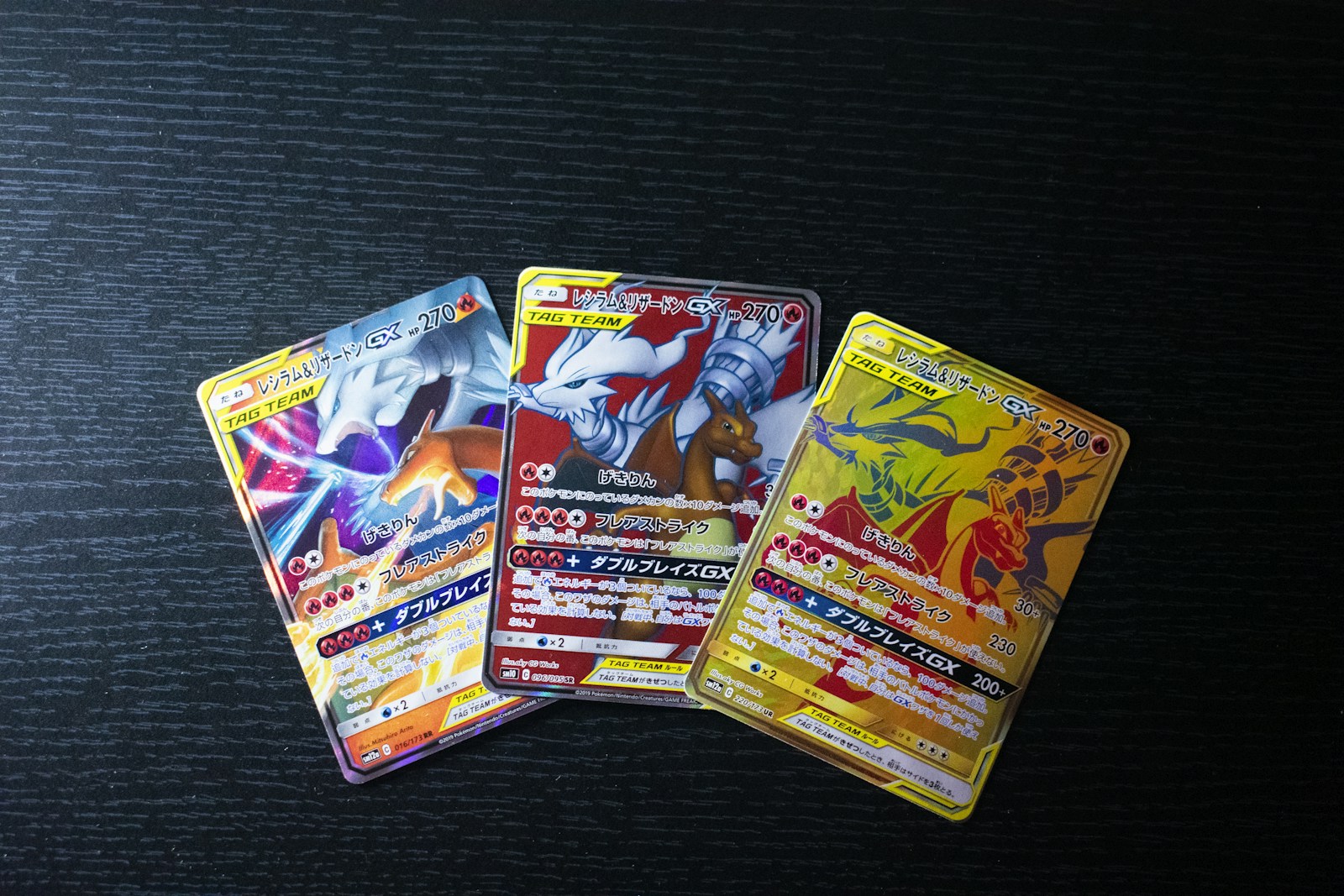
A supplier offers several copies of a Pokémon card you have sold before. The card is familiar, the buying price looks workable, and repeating a successful sale seems easier than finding something new.
The question is who buys the next copy.
For a singles reseller, duplicates can keep a useful listing in stock. They can also leave money sitting in a card that your regular customers already own. The difference depends on whether demand keeps arriving for that exact card, through the channel where you will sell it.
More copies and more choice solve different problems
Consider two illustrative purchases: ten copies of one card, or ten different cards. Both add ten cards to inventory, but they give the seller different jobs.
The first purchase needs repeated demand for one item. The second gives customers more choices, while requiring more identification, pricing and listing work. Neither is automatically the better purchase.
A collector looking for one missing card may buy one copy and be finished. To sell the remaining duplicates, you need other buyers for that card, or a customer whose purchase genuinely calls for several copies. Buying a larger quantity upstream does not create that need downstream.
This is why a repeat seller can sensibly hold duplicates while a small show with mostly returning collectors may need a wider selection. The useful question is not simply whether Pokémon cards sell. It is whether more buyers for this particular card are likely to reach your offer.
Define the card before counting the demand
“We sold Pikachu” is too broad a reason to restock.
Check the set and card number, language, artwork or printing variant, and condition of the copies that actually sold. Raw and graded cards also represent different offers. A sale of one version is not evidence that a different version will find the same buyer at the same price.
Keep that distinction in the supplier's assortment as well. A lot containing the same Pokémon in several versions is a character selection, not necessarily repeat stock for one exact-card listing. Equally, copies with different wear should not be treated as interchangeable just because the card number matches.
Before ordering, establish how many copies fit the description you intend to sell, and which copies need separate photographs or condition descriptions. Otherwise, a seemingly simple restock becomes a sorting and listing job you have not allowed for.
A repeatable listing needs a stream of buyers
For an online seller, duplicates can reduce repeated setup work. Once the exact item is identified and described accurately, additional suitable copies can support the same offer as new buyers arrive.
For example, eBay supports multiple identical items in a fixed-price listing and tracks the available quantity. That is a listing mechanism, not evidence that any particular card will sell. See eBay's multi-quantity listing guidance.
The stronger restocking signal is a pattern of completed orders for the same card, language and condition—not just views, watchers, messages or one unusually strong sale. Look at how those orders were spread over time and whether they came from multiple customers or one unusual purchase.
The prices matter too. If the later copies sold only after a substantial reduction, the stock may have moved, but the original margin assumption did not hold. Compare the money retained after the card cost, selling fees, fulfilment and relevant returns with what you would spend to buy the next batch.
External sales research can help check the comparison. eBay's Product research includes actual sold prices, including accepted Best Offers, and filters such as condition, date range and marketplace. Inspect the matching results carefully: a broad character search can mix cards that are different purchases.
Other sellers' transactions provide context. They do not establish how quickly your own listing will sell. Your existing unsold copies are part of that decision, too: an offer that is already well stocked does not become a restocking priority merely because another batch is available.
A successful live auction may use up the immediate demand
A livestream presents a different situation. The first copy can attract viewers who want that card. Once the winner has bought it, showing the same card again means asking the remaining audience to buy another copy.
That can work when several viewers still want one. It can become harder when the keenest buyers have already bought, or when the next show reaches much the same audience. This is a business mechanism to test against your own shows, not a claim that duplicate auctions always lose value.
Review what happened after the first sale. Did another buyer purchase the next copy on acceptable terms? Did interest continue across later shows? Were new viewers arriving, or were you repeatedly offering it to people who had already passed?
If only the opening sale was strong, repeating its price across an entire prospective batch gives an unreliable buying estimate. A popular character can start a conversation; it does not tell you how many copies your current audience will absorb.
In that situation, a smaller repeat purchase or a broader selection may be more useful. If several buyers keep asking for the same exact card after it sells out, holding more copies has a clearer purpose.
Test the next sale before buying the next batch
Selling the first copy tells you that someone wanted the card. A small follow-up purchase can help answer the more useful question: can you sell it again, under conditions that make sense for your business?
This borrows the learning principle behind a minimum viable product, or MVP: commit enough to test an important assumption before committing substantially more. Here, the practical application is a small inventory test rather than a new product launch.
Suppose you are considering more copies of a particular Gengar card for your livestream. Instead of ordering a large quantity because the first auction went well, use a manageable number of copies to see whether demand continues. If you already have suitable copies in stock, those can provide the test without another purchase.
You are not trying to prove that “Gengar sells.” You are testing whether this card, in this version and condition, can keep finding buyers through your channel at a workable price.
Watch what happens beyond the first sale. Do other viewers buy? Does interest continue in later shows? For an online listing, do orders arrive from additional customers over time? How much money remains after the relevant costs, and how long does it take to recover the money committed to the stock?
The cheapest test is not necessarily the most useful one. Testing a handful of ordinary cards will not tell you whether your audience wants a selected illustration card. Likewise, a sale achieved only through a steep promotional discount does not establish demand at your intended selling price.
Keep the test close to the business you plan to repeat.
There is no universal starting quantity. It should be small enough to limit the money at risk, but large enough to learn something beyond the outcome of one auction or one unusual order.
Before buying, decide what would justify another order. Continued sales at workable prices may support a measured restock. Weak interest may suggest a different card, a broader selection or a pause.
A small test has done its job when it improves your next decision—even when that decision is not to buy more.
Turn each restock into a better buying decision
The purpose of testing is not to stay small forever. It is to find something worth repeating, then improve it with each round.
Imagine that one card keeps finding buyers while another leaves several copies unsold. The next purchase should reflect that difference. You might maintain stock of the first, reduce the second and use a limited part of the available budget to test another relevant card.
You are improving the selection rather than simply increasing the quantity.
This is where the idea of a business flywheel becomes useful. A flywheel builds momentum through accumulated, reinforcing work—not through one unusually successful purchase.
For a Pokémon singles business, a practical version could look like this:
Test a relevant selection → observe actual sales → recover cash at a workable margin → make a better-targeted purchase → serve customers more consistently → use the next sales to improve the selection again.
Each step needs to strengthen the next.
Sales provide money for another purchase, but also information about the cards, versions and price points customers actually choose. Acting on that information can help you avoid tying up the same amount of money in stock that has no clear buyer.
Keep enough cash available for fulfilment, refunds and other operating needs before deciding how much to reinvest.
Keeping suitable cards available, describing them accurately and fulfilling orders reliably gives customers a reason to consider your shop or show again. Whether they actually return is something to observe—not something to assume.
For a livestream seller, a returning customer may want a different card next time. More copies of the original card may need new viewers or existing viewers who still want one. The flywheel therefore depends on developing customer relationships and a useful selection, not repeatedly selling the same card to an unchanged audience.
The next purchase must also work at the next purchase price. An earlier batch selling profitably does not justify unlimited restocking if sourcing costs rise or demand slows.
A growing pile of duplicates is not a growth flywheel. It becomes a useful cycle only when sales, customer understanding and buying decisions reinforce one another.
Restock what you have learned to sell
Duplicates are neither good nor bad inventory by themselves.
Start with a limited commitment that can tell you something real. Use the results to decide whether to buy deeper, broaden the selection or stop. Then judge the next round on its own costs and customers, rather than assuming the first result will repeat forever.
Test before you scale. Reinvest according to evidence. Let each round make the next purchase better—not merely bigger.
Sources
Disclaimer
Legendary TCG Vault is an independent trading card wholesale supplier. We are not affiliated with Nintendo, Game Freak, Creatures, or The Pokémon Company.