Singles Buying Guide
Buying Pokémon Error Cards: Check the Feature Before Paying More
A printing anomaly matters only in a specific offer. Identify the card and feature, check the relevant recognition policy and understand the collector before accepting a premium.
October 25, 2026 · 6 min read
Introduction
If a supplier points to an ink spot, an unusual border or missing texture and asks you to buy the card as a valuable error, pause before accepting the extra cost. Decide what you would actually offer your next customer. A collector seeking a particular production anomaly is buying something different from a collector seeking a clean example of the ordinary card.
For a Pokémon singles reseller, the important question is not simply whether a card looks unusual. It is whether the feature is accurately identified, whether the rest of the card is acceptable, and whether a customer wants that particular combination. An error label does not answer all three.
Date checked: October 26, 2026 (UTC). The grading-service references below describe their own recognition policies; check the current guidance for a specific submission or attributed variety.
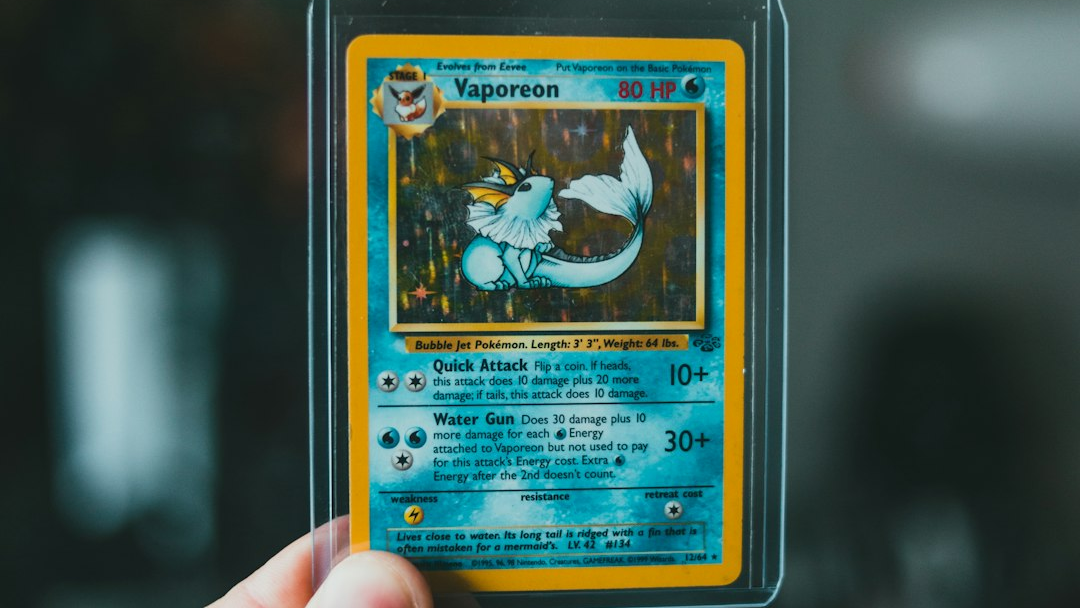
The opening photograph illustrates viewing a physical card; it does not identify the pictured copy as an error.
Start with the card, then identify the unusual feature
Record the language, set, card number and printing before discussing the anomaly. Keep clear front-and-back photographs of the actual copy, plus a close view that shows where the feature sits. A close-up alone can hide the identity or overall condition of the card being offered.
Ask the seller to describe what is visibly different rather than beginning with a value claim. Is part of the design absent? Is the cut unusual? Is there an extra spot of colour? Keep that observation separate from the proposed explanation of how it happened. A photograph may show a mark without establishing its manufacturing origin, and a story about pulling a card from a pack does not independently settle that question.
Also record ordinary wear, dents, creases or scratches. A production anomaly and later damage can exist on the same copy. Describing one does not remove the need to disclose the other.
A documented variety is different from an unidentified spot
PSA's Pokémon Error Guide gives examples of recognized variations. Its Jungle example concerns holofoil cards missing the set symbol. For dot errors, PSA says attribution requires the same location and shape across multiple documented copies. Its missing-texture category requires texture to be absent from the entire card.
Those distinctions matter when buying. A known variation with the relevant identifying features is a more specific offer than a card with an unexplained dot. The examples do not mean every missing symbol is genuine, every small ink mark receives an error designation, or every unusually smooth area qualifies as completely missing texture.
Use the applicable reference to compare the actual feature. If the seller names a grading service, check that service's description rather than assuming every company uses the same terminology. Recognition by one service is not a universal classification or a promise that your unexamined copy will receive a particular label.
CGC's error guide provides a useful counterexample to casual visual certainty: its discussion of square-cut cards from the Wizards of the Coast era requires proven employee provenance for CGC to grade them, because of not-factory-cut examples. An unusual shape alone is not enough for every authentication question. That is a specific CGC policy, not a claim that every square-cut card is false.
Find out who wants the feature
An error collector may deliberately seek a visibly unusual card. Another collector may see the same feature as something to avoid in an otherwise attractive binder copy. Neither preference can be inferred just from the Pokémon's popularity.
In a discussion about an ink-dot listing, one participant who described buying error cards said the particular dot did not interest them. Others regarded it as an unwanted flaw. These are individual reactions, not completed-sale evidence or a universal valuation rule. They show why even an error-collecting customer should be asked about the specific feature.
The opposite mistake would be to dismiss every anomaly as worthless. Named error varieties exist, and collectors can want them. What is missing from a seller's ambitious asking price is evidence that your next customer wants this copy on workable terms. A listing, a forum compliment and a completed purchase are different kinds of evidence.
If you have a customer requesting a specific variety, confirm the printing and feature with that person before sourcing it. If you are exploring a new category, show a clearly identified example and learn what the intended buyers actually collect. Treat a question or expression of interest as a lead to investigate, not as a paid order.
Build the purchase around an offer you can describe
Separate the value you can support for the ordinary card in its actual condition from any extra amount being asked for the anomaly. If the transaction only works after assuming an unverified premium, the gap belongs in the buying decision now.
You may decide to investigate further, negotiate without accepting the proposed premium, choose another copy, or decline the purchase. A seller does not have to accept those terms, and another collector may make a different choice. The point is to avoid funding a retail claim that you cannot substantiate or present to a relevant buyer.
If selling the card onward, use photographs of the actual item and factual language about the observed feature. Distinguish a documented grading-service attribution from your own description. Do not describe an ungraded card as guaranteed to receive an error designation, and do not conceal damage behind the word error. Our Near Mint guide explains why a raw condition label is a separate question from a future grading result.
For a mixed lot, keep uncertain anomalies separate during evaluation. One interesting card does not establish the value or saleability of everything else. The mixed-condition buying guide follows that wider lot decision through the work and remaining stock.
Choose the customer before paying for the story
Error-card sourcing can make sense when you can identify the physical item, explain the unusual feature and reach a buyer who wants it. It is a poor basis for a purchase when the only support is that a printing flaw must make the card rare and expensive.
Buy the copy and the defensible offer it can become. Leave an unsupported premium out of your plan, even when the seller's story is more exciting than the evidence.
Sources
Disclaimer
Poke Wholesale is an independent trading card wholesale supplier. We are not affiliated with Nintendo, Game Freak, Creatures, or The Pokémon Company.